
How Big Oil Influences Politics
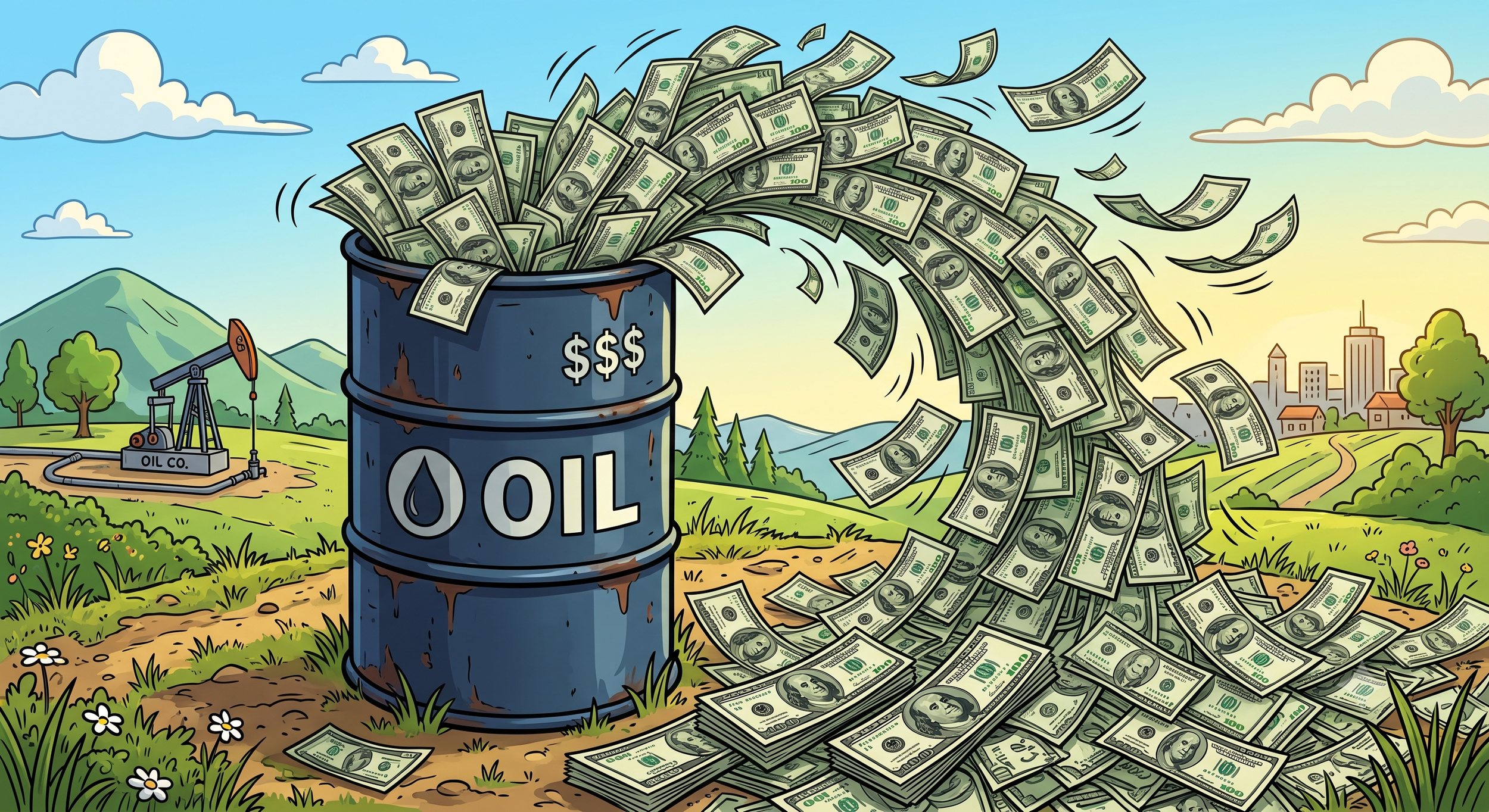
The oil and gas industry influences U.S. political decisions through several channels that operate simultaneously, and recent data gives a sense of scale.
Direct lobbying is the most visible and most measured piece. The broader energy sector spent roughly $240 million on federal lobbying in just the first half of 2025, on pace to top 2024's $435 million total; oil and gas alone accounted for about $71 million of that in 2025's first half, trailing 2024's record $150 million. Around 2,200 lobbyists work on behalf of the energy sector, and notably, close to half of them are former government employees — people who've moved from congressional offices, agencies, or the executive branch into industry-facing roles, bringing relationships and insider knowledge of how the process works with them.
Campaign contributions run alongside lobbying — political action committees, executive and employee donations, and industry PACs direct money toward candidates and parties seen as favorable to fossil fuel interests, both to help elect sympathetic officials and to maintain access once they're in office.
What watchdog groups argue is the more consequential mechanism, though, is what's often called the "revolving door" — industry-aligned people being appointed directly into government positions with regulatory authority over energy policy, rather than lobbying those positions from outside. Analysts at groups like Public Citizen and Citizens for Responsibility and Ethics in Washington point out that when officials with industry ties already hold key posts (cabinet-level energy roles, environmental regulatory appointments), the industry doesn't need to spend as much on traditional lobbying to get favorable outcomes — the alignment is already built into who's making the decisions.
Beyond those two, industry influence also flows through trade associations and coalitions (like the American Petroleum Institute) that pool resources for advocacy and public messaging beyond what any single company reports individually; funding for think tanks and research groups that shape the policy debate and provide "independent"-seeming analysis favorable to industry positions; support for model legislation efforts that provide state legislators with ready-made bills on energy and environmental regulation; and large-scale public relations and advertising campaigns aimed at shaping public opinion on climate and energy policy directly, rather than going through elected officials at all.
Sources:
